The Best Construction Safety Helmets of 2026
Head protection has changed more in the last three years than in the previous fifty. Here's an honest look at the helmets leading North American jobsites in 2026 — and at the quieter shift happening inside them.
PROFESSIONAL
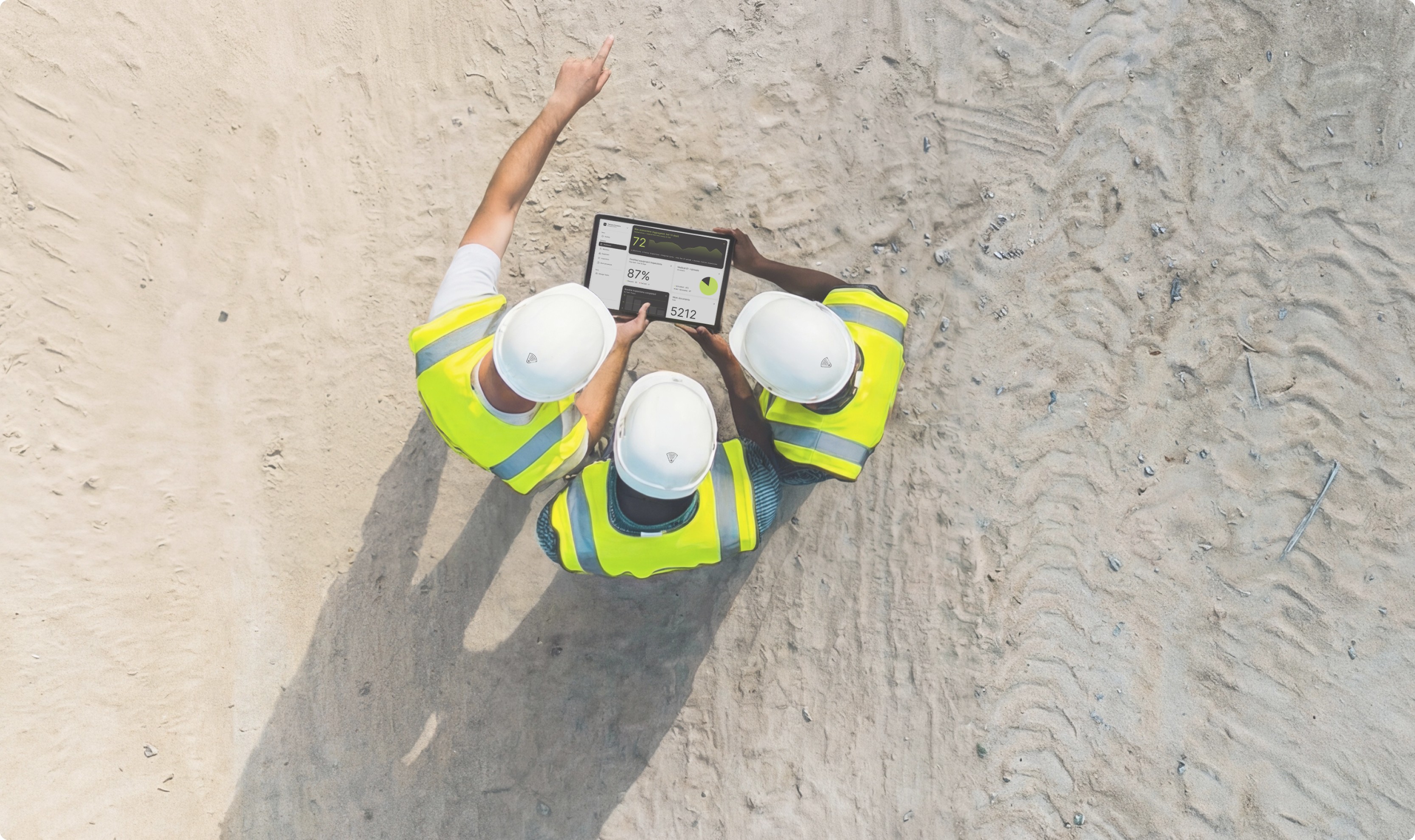
For over a century, the hard hat barely changed. Invented in 1919 and standard on American job sites by the 1930s, it stayed essentially the same: a rigid shell, an internal suspension cradle, and a brim to deflect falling debris. That era is now ending. The combination of better impact science, evolving OSHA guidance, and connected technology has turned head protection into one of the fastest-moving categories in PPE.
If you're buying helmets for a crew in 2026, this guide covers what actually matters now: the move to Type II protection, what the new independent testing data shows, the standout helmets on the North American market, and an emerging capability that's changing not just how helmets protect workers, but how safety managers prove their whole program is compliant.
What changed: from hard hat to safety helmet
The pivotal moment came in late 2023, when OSHA published a Safety and Health Information Bulletin recommending modern safety helmets over traditional hard hats and announced it was transitioning its own field staff to them. OSHA hasn't issued a blanket mandate for private employers, but the direction is unmistakable — and many large U.S. general contractors have already made Type II helmets a site requirement.
Canada has moved even more decisively. The Canadian Construction Safety Council — formed in 2024 by a dozen of the country's largest general contractors, including PCL, EllisDon, Aecon, and Graham — has mandated Type II helmets with manufacturer-integrated chin straps for everyone on member sites, with full compliance required in 2026. Firms like EllisDon now require Type II with a chin strap for every person on site, from subcontractors to visitors. The governing standard north of the border is CSA Z94.1 (rather than the U.S. ANSI/ISEA Z89.1), and because most Canadian construction sites sit near energized systems, the practical baseline is a Class E, Type 2 helmet.
The reasoning is straightforward once you look at how injuries actually happen. Traditional hard hats are Type I: they protect against impacts to the top of the head. But only a small share of jobsite head impacts land squarely on the crown. The majority come from slips, trips, falls, and contact with equipment — angled and lateral impacts a top-only hard hat isn't designed to manage. Type II helmets are tested for top, side, front, and back impacts, and typically add an internal energy-absorbing liner and a chin strap so the helmet stays put during a fall.
In 2025, the Virginia Tech Helmet Lab released the first independent star-rating system for construction head protection, modeled on its well-known sports-helmet ratings. The results gave the industry hard numbers: moving from a traditional hard hat to a Type II helmet reduced fall-related concussion risk by an average of 34% and skull fracture risk by 65%. As one veteran who survived a structural collapse put it in the lab's announcement, it was the first dataset that said something concrete — Type II saves lives.
One more rule worth knowing: OSHA's PPE "proper fit" requirement, effective January 2025, means head protection has to fit each individual worker, not just be available in one generic size. A helmet that shifts or doesn't sit securely can be cited as a violation — which is part of why adjustable suspension and chin straps have become standard rather than premium features.
How to read the ratings before you buy
Two labels decide whether a helmet is right for a given job:
Type (impact): Type I protects the top of the head only; Type II adds lateral, front, and back protection. For most construction and fall-exposed work, Type II is the recommended choice.
Class (electrical): Class C offers no electrical protection (often vented for comfort); Class G is rated to 2,200 volts; Class E is rated to 20,000 volts. Vented helmets are cooler but can't be used for electrical work.
One caution that trips up buyers: bolting unapproved lights, cameras, or shields onto a helmet can void its ANSI rating. If you need accessories, choose helmets with manufacturer-designed mounting systems rather than improvising.
Type 1 vs. Type 2: what actually changes
The single most important decision is Type 1 versus Type 2, because it maps directly onto how head injuries actually happen on site. The difference comes down to the direction of protection.
Type 1 is engineered for one thing: a vertical impact to the crown of the head, such as a dropped tool or falling debris. It does that job well, but it isn't designed for blows from the side, front, or back.
Type 2 is tested for top and lateral impacts — side, front, and rear — and typically adds an internal energy-absorbing liner plus an integrated chin strap so the helmet stays on the head during a fall.
Why that matters is a numbers question. The classic hard hat was built around the falling-object hazard, but that's no longer where most serious head injuries come from. U.S. OSHA data covering 2015–2021 found that roughly 68% of work-related traumatic brain injuries in construction were caused by falls — exactly the dynamic, off-axis events that tend to knock a helmet clean off a worker's head. A traditional hard hat with no chin strap offers no protection once it's no longer on the head. Type 2's lateral protection and retention system are aimed squarely at that failure mode, and the independent testing bears it out: moving from a Type 1 hard hat to a Type 2 helmet cut fall-related concussion risk by an average of 34% and skull fracture risk by 65%.
In short: Type 1 protects against the hazard head protection was invented for a century ago; Type 2 protects against the hazard that actually injures the most workers today. For nearly all general construction and multi-hazard work, Type 2 is the right specification — which is why the industry, and increasingly its largest buyers, are standardizing on it.

The standout helmets of 2026
The helmets below all carry a genuine Type II rating and are widely available across North America. Most also share something newer: digital safety technology built in at the factory rather than bolted on afterward — the connected layer that's where the real 2026 story is (more on that after the picks). We've flagged which do and which don't. Prices and configurations vary by distributor.
Studson SHK-1 Full Brim
One of the most talked-about helmets in North America. It pairs Koroyd's energy-absorbing cellular liner with a Fidlock magnetic chin strap that fastens even with gloves on, and a Highbar one-hand fit system. Every SHK-1 ships with digital safety technology built in, so the helmet carries the wearer's emergency data, certifications, and inspection records from day one.
LIFT Safety RADIX Full Brim
A genuinely comfortable Type II option with a 12-channel vented shell (Class C) and a non-vented Class E version rated to 20,000 volts for electrical work. The LUX four-point suspension and magnetic quick-lock chin strap make it glove-friendly, and the embedded chip lets first responders and safety managers read medical data and gear status with a tap.
Bullard Adaptix
Built around comfort and fit, with a removable FlexBrim, one of the widest head-size ranges in the industry, and field-replaceable components that extend service life. Available with the same embedded safety technology, and with over 100 color combinations it's easy to color-code crews while keeping the same connected backbone across the fleet.
Milwaukee BOLT Full Brim
A strong value pick and one of the most popular helmets on North American sites. It comes in vented Class C and non-vented Class E versions, is billed as the lightest full-brim safety helmet available and engineered to run up to 15°F cooler than competing full-brim models, and plugs into Milwaukee's BOLT accessory system for headlamps and face shields. Around $110. One thing to note for buyers thinking beyond the shell: unlike the other helmets here, the BOLT doesn't include an embedded digital safety layer, so emergency information and inspection records aren't part of the helmet itself.
The shift inside the helmet: staying audit-ready by default
Here's the development most "best helmet" lists still overlook. The biggest change in 2026 isn't only the shell or the liner — it's that the helmet has become a place to store and retrieve information. And for the person responsible for an entire crew's compliance, that changes the job.
The common thread across the helmets above is that each carries embedded digital safety technology — in these cases, Twiceme — built into the gear rather than bolted on. It uses NFC, the same passive, battery-free technology behind tap-to-pay cards, so a tap from any smartphone reads the chip. Nothing to charge, nothing to break, and no app required to read it in an emergency.
For a safety manager, the value shows up in audits. Traditionally, the lifecycle of a helmet — who it belongs to, when it was issued, when it was last inspected, when it expires, which certifications it carries — lived on paper, spreadsheets, and memory. When an audit comes, that means reconstructing a year of records under pressure. A connected chip puts that record on the equipment itself and, paired with a management portal such as Twiceme's Safety Management Portal (SMP), rolls it up into one view — so the right document or inspection is there at the right time with a tap, and the whole crew's compliance status is visible in one place. The audit becomes a matter of opening a dashboard rather than digging through a filing cabinet.
And if things do go sideways, the same chip is what helps. When a worker is injured and can't speak, any first responder with a phone can tap the helmet and instantly see what that worker chose to share — emergency contacts, allergies, medical conditions. The information works offline, with or without the app. The same tag that keeps you audit-ready on an ordinary Tuesday is the tag that speeds up rescue on the worst day.

Why this approach is winning
Plenty of companies have tried to put electronics on a hard hat. Most run into the same walls: powered devices need charging, which workers forget or resent, and they add cost and bulk that get in the way of the job. The subtler failure is who's asked to pay. When the cost lands on the individual worker — a subscription to unlock an app on their own phone, say — uptake tends to collapse, because the worker has little personal incentive to buy in. The technology ends up installed but unused.
The approaches that stick tend to share a few traits. The hardware is passive — no battery, no charging, no behavior change asked of the worker — and anything the worker personally touches, like the app used to set up their own gear, is free to them. Where a recurring cost exists, it sits with the safety organization rather than the crew, because that's the party that benefits from fleet-wide visibility. And the rollout is something safety personnel can run themselves, provisioning a whole workforce without chasing every individual to download or configure anything. That's the difference between deploying across a full crew and running a pilot of a dozen volunteers — and it's the model the connected helmets above are built around.
That combination is why connected PPE has moved from novelty toward norm. Millions of pieces of protective equipment with this kind of embedded technology now reach the market each year, across leading professional and outdoor brands — enough volume that it's starting to look less like a feature and more like an emerging standard.
The right technology for where the industry is now
None of this is to say the digital layer is the only innovation worth paying for. There's genuinely impressive engineering going into helmets right now — advanced liners, systems that address rotational impact, smarter ventilation and materials. The relevant question for a buyer isn't whether a technology is good in the abstract. It's whether now is the right time to pay for it, or whether that's a few years away.
That timing matters because a lot of advanced protection only delivers its full benefit when the helmet is worn exactly as intended, every shift. On a real site, that assumption often doesn't hold. The industry's most stubborn challenges today are still the basic ones: getting every worker to wear the helmet at all, and then to wear it correctly — chin strap fastened, fit adjusted. Until those are genuinely solved, paying a premium for protection whose value depends on perfect, consistent use is hard to justify. Once they are solved, that same technology may make complete sense — the industry will simply be mature enough to get the return on it.
This is why the technologies that earn their place soonest tend to be the ones that are simple to use and cost very little per worker — modest, almost low-tech additions that nonetheless unlock outsized value. The connected layer fits that description: instant emergency information, audit-ready records, and fleet-wide visibility, delivered without asking the worker to do anything differently. It answers what safety managers are actually asking for today. Other technologies will likely become essential as the industry clears its current hurdles. For the challenges most crews face right now, the simple, low-cost layer is the one that pays off immediately.
Choosing well in 2026
If you're upgrading this year, the shortlist is simple. Specify Type II for any fall-exposed or multi-hazard work. Match the electrical class to your actual hazards — and never assume a vented helmet is safe for electrical exposure. Insist on proper fit and a chin strap, both for protection and to stay on the right side of the fit rule. Use manufacturer-approved accessories only. And run your pre-shift inspections religiously: most makers recommend replacing the suspension annually and the shell every three to five years.
Then look one step further than the shell. The helmets defining the next few years aren't just stronger — they're connected, turning a piece of equipment that used to be tracked on a clipboard into a live part of your safety program. For safety managers, that's not a gadget. It's the difference between hoping your crew is compliant and being able to prove it the moment someone asks.
Frequently asked questions
Which type of construction helmet is the safest?
Type 2 helmets. They protect against falls, slips, trips, and lateral (side, front, and rear) impacts, whereas traditional Type 1 hard hats are only rated to protect against objects falling on the crown of the head. Because falls cause far more serious head injuries than falling objects do, a Type 2 safety helmet offers superior protection in practically any construction scenario.
What is the difference between a Type 1 and a Type 2 hard hat?
Type 1 protects only against vertical impacts to the top of the head. Type 2 adds protection against lateral impacts — blows to the side, front, or back — and typically includes an energy-absorbing liner and an integrated chin strap so the helmet stays in place during a fall. Type 2 is the direction the whole industry is moving.
Are Type 2 helmets required in the US and Canada?
There is no blanket federal mandate for private employers in the US, but OSHA now recommends modern safety helmets over traditional hard hats, and many large general contractors already require Type 2 on their sites. In Canada, the Canadian Construction Safety Council — representing a dozen of the country's largest contractors — has mandated Type 2 helmets with integrated chin straps for all workers on member sites, with full compliance required in 2026.
What are the three classes of safety helmet?
Class C (Conductive) offers no electrical protection and is often vented for comfort. Class G (General) provides insulation up to 2,200 volts. Class E (Electrical) provides insulation up to 20,000 volts. Most construction sites use Class E as the baseline because of routine proximity to energized systems.
What is the purpose of a hard hat?
A hard hat protects the head in hazardous work environments — guarding against falling objects, impact from fixed objects, accidental collisions, and, depending on class, electrical shock. Modern Type 2 safety helmets extend that protection to lateral impacts and add retention so the helmet stays on during a fall.
What do hard hat colors mean?
Colors are typically used to identify a worker's role, responsibilities, or training level, and are set by each organization's own system rather than by regulation. Neither OSHA nor ANSI requires specific hard hat colors, so conventions vary from site to site.
How often should a safety helmet be replaced?
Follow the manufacturer's guidance, but a common rule of thumb is to replace the internal suspension roughly every 12 months and the shell every three to five years — and to replace any helmet immediately after a significant impact, even if there's no visible damage. Inspect daily for cracks, dents, and a compressed or "crunching" liner.
Can I add a headlamp or accessories to my safety helmet?
Only using the manufacturer's approved mounting system. Drilling holes or attaching unapproved accessories can void the helmet's ANSI or CSA certification. Choose a helmet with a built-in accessory system if you know you'll need lights, face shields, or visors.
This article is intended as general information for safety professionals and does not constitute regulatory or legal advice. OSHA does not approve or certify specific helmet brands; compliance depends on selecting ANSI/ISEA Z89.1-compliant head protection appropriate to your jobsite's hazards. Always conduct a job hazard analysis to determine the correct helmet type and class for your work environment.
Follow Twiceme on socials